

Embedded Resurgence: How Re-engineering Breathes New Life into Technology
How Re-engineering Breathes New Life into Technology
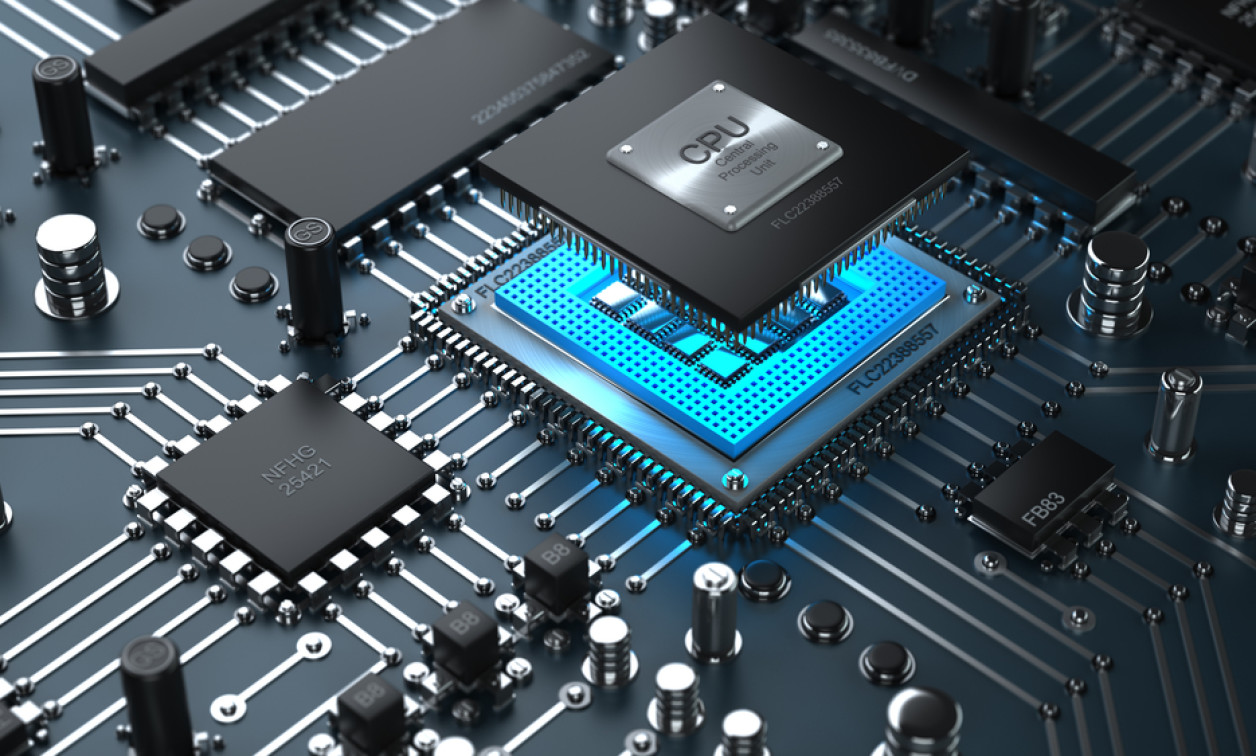
There has been a resurgence of interest in embedded systems in the rapidly changing field of technology. The resurrection of embedded systems is a revolutionary process driven by the art of re-engineering, not just a continuation of the existing quo. This blog article examines the mechanics of this comeback, probing how re-engineering is revitalising technology and making embedded systems more potent, effective, and adaptable than in the past.
Categories
- The Power of Connectivity: How IoT Devices are Transforming Daily Life
- Choosing the Right Industrial Data Logger: A Buyer's Guide
- Integrating Intelligence: The Power of Complete IIoT Solutions
- Securing Your Data: Best Practices for Logging Software Security
- Cracking the Code: Strategies for Efficient and Effective Embedded Product Development
- Seamless Integration: The Art of Embedded Services in Modern Systems
- Future-Ready Components: Innovations in Component Engineering Services
- Embedded Resurgence: How Re-engineering Breathes New Life into Technology
Recognising the Fundamentals of the Resurgence of Embedded Systems
The unseen engines that run our everyday lives, embedded systems, have had an incredible comeback. The demand for more complex and networked gadgets, together with shifting consumer expectations and technology breakthroughs, are driving this renaissance. But the deliberate technique of re-engineering, which goes beyond small fixes to reinvent and breathe new life into embedded systems, is what really drives this revival.
1. Adapting Legacy Systems: Bringing the Old Into the New
Re-engineering and adapting old systems is an important aspect of the comeback of embedded systems. Many sectors rely on embedded technology, which might be difficult to update because they have been around for a long time. Without requiring a whole redesign, re-engineering offers a means to update antiquated embedded systems with new features, stronger security, and increased efficiency.
2. Improved Efficiency via System Optimisation
Re-engineering embedded systems necessitates a careful analysis of every part, from software to hardware. The guiding concept is now optimisation, with an emphasis on improving performance measures like dependability, speed, and efficiency. Re-engineered embedded systems can match the needs of modern technology by delivering improved performance through optimisation and simplification.
3. Including Cutting-Edge Hardware Components
The incorporation of cutting-edge hardware components is indicative of embedded systems' comeback. Integration of state-of-the-art CPUs, sensors, and communication modules is made possible by re-engineering. As a result, a new breed of embedded systems has emerged that can handle challenging jobs in a variety of sectors thanks to their enhanced processing capacity, extended capabilities, and greater energy efficiency.
4. Internet of Things (IoT) Facilitation: Establishing Links
One of the main factors contributing to embedded systems' comeback has been the development of the Internet of Things (IoT). Re-engineering makes it easier to include Internet of Things (IoT) features into embedded devices, allowing for easy data sharing, communication, and remote monitoring. In addition to improving embedded systems' functioning, this interconnection supports a larger ecosystem of intelligent
5. Real-time Processing to Make Decisions Instantaneously
Real-time processing is essential in many applications, particularly those in vital areas like healthcare, automotive, and manufacturing. Instantaneous decision-making is ensured by re-engineering embedded systems to prioritise real-time capabilities. This improves efficiency, responsiveness, and overall system dependability.
6. Strengthening Security: Preventing Contemporary Dangers
Threats to technology are evolving along with it. Embedded systems face cybersecurity issues as they are essential parts of many different applications. Reinforcing security measures using encryption protocols, secure boot methods, and strong authentication processes is essential to re-engineer embedded systems in order to protect them from ever-evolving cyber threats.
7. Improving Software to Provide User-Centric Experiences
Upgrades to the hardware are necessary, but the software layer is crucial to embedded systems' comeback. Algorithm optimisation, effective coding techniques, and software architectural refinement are all components of re-engineering. This software optimisation helps to create user-centric experiences and improves system performance while making sure embedded systems meet the requirements of contemporary users.
8. Energy Savings for Long-Term Fixes
Energy efficiency is a major factor in re-engineering embedded systems in an era where sustainability is paramount. Re-engineered embedded systems can help build sustainable technologies by lowering operational costs and their environmental effect by integrating energy-efficient components and optimising power management tactics.
9. Flexibility and Expandability: Adjusting to Changing Requirements
Modularity and scalability are prioritised in re-engineering, which enables embedded systems to change to meet changing needs. Re-engineered systems have the flexibility to incorporate new functionality, technologies, and industry standards without undertaking a total redesign by creating readily replaceable or upgradeable components.
10. interdisciplinary Cooperation for Comprehensive Remedies
Collaborating across disciplines is essential to re-engineering embedded systems holistically. Together, engineers, software developers, and subject matter experts strive to comprehend the nuances of particular applications. This cooperative endeavour guarantees that re-engineering endeavours correspond with industry requirements, culminating in all-encompassing solutions that tackle technical and user-centric facets.
Obstacles in the Process of Re-engineering
Re-engineering has many advantages, but it's vital to recognise the difficulties this revolutionary process entails. Re-engineering teams have several challenges, including guaranteeing backward compatibility with current systems, navigating interoperability concerns, and dealing with legacy code compatibility. In addition, a planned and incremental strategy is needed to manage the transition process without interfering with current operations.
In conclusion, let's embrace embedded systems' future.
Re-engineering embedded systems is not only a fad; it is a strategic necessity to remain relevant in a continuously changing technological environment. Re-engineering guarantees that embedded technologies continue to be a key component in defining the future by revitalising current systems. To fully utilise embedded systems in the digital era, re-engineering is essential, whether it is for integrating IoT capabilities, optimising performance, modifying outdated systems, or bolstering security measures. We are entering a new era when embedded systems are more intelligent, adaptable, and necessary than ever before as we embrace this rebirth.