

Future-Ready Components: Innovations in Component Engineering Services
Future-Ready Components: Innovations in Component Engineering Services
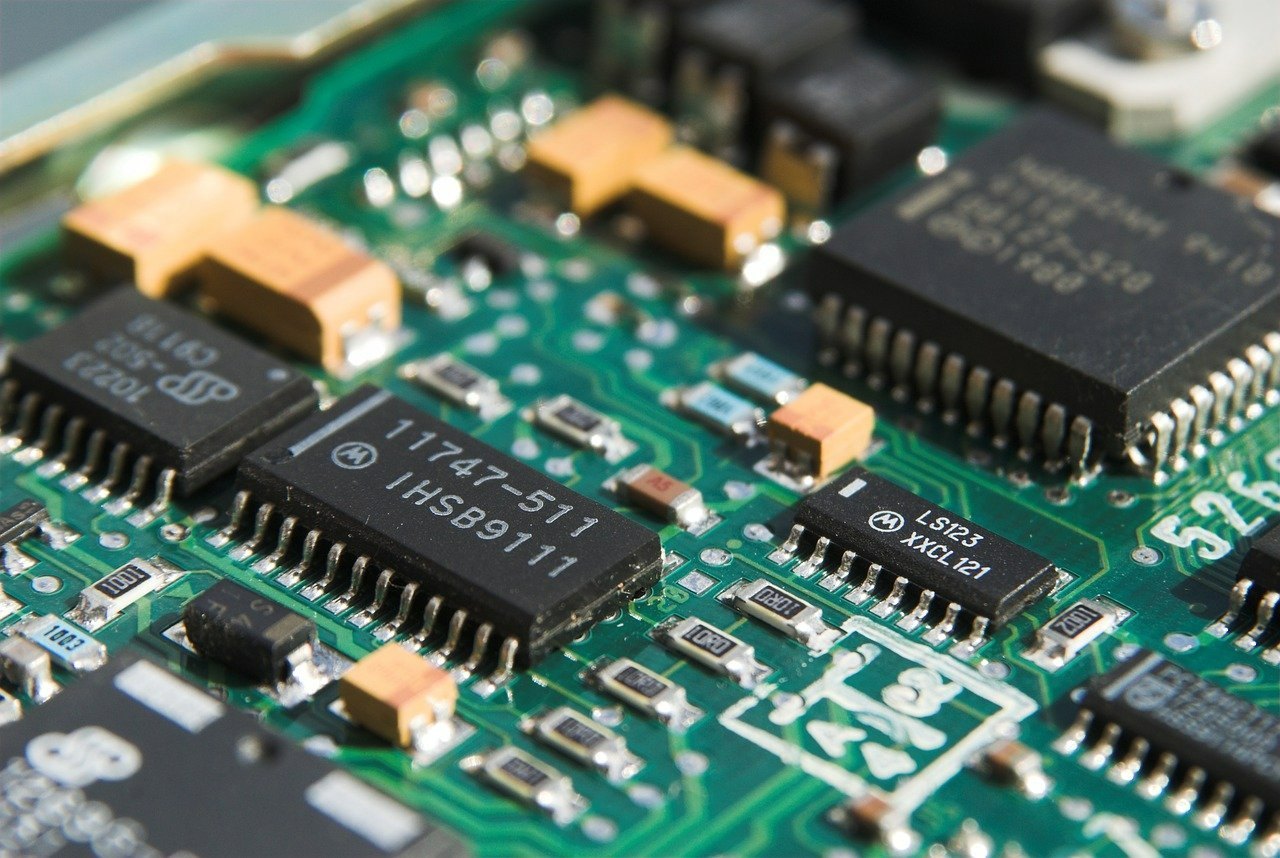
The emergence of component engineering services in the changing world of technology is a monument to the constant pursuit of innovation. As we move towards an era when demand for smarter, smaller, and more efficient devices grows, the role of future-ready components becomes increasingly important. We dig into the cutting-edge breakthroughs affecting the future of technology in this investigation of component engineering services.
Categories
- The Power of Connectivity: How IoT Devices are Transforming Daily Life
- Choosing the Right Industrial Data Logger: A Buyer's Guide
- Integrating Intelligence: The Power of Complete IIoT Solutions
- Securing Your Data: Best Practices for Logging Software Security
- Cracking the Code: Strategies for Efficient and Effective Embedded Product Development
- Seamless Integration: The Art of Embedded Services in Modern Systems
- Future-Ready Components: Innovations in Component Engineering Services
- Embedded Resurgence: How Re-engineering Breathes New Life into Technology
The Evolution of Component Engineering Services
The backbone of current technical developments is component engineering services. These components, which range from microprocessors to sensors and connections, are the unsung heroes that power our electronics. The increasing rate of invention, along with the desire for more sophisticated and feature-rich products, has spurred a surge in component engineering services.
1. Miniaturisation and Microfabrication: Efficiency Through Scaling Down
Miniaturisation has been a trademark of component engineering services in the drive for more compact and efficient devices. Micro fabrication methods allow for the manufacture of smaller, lighter, and more power-efficient components while maintaining performance. This tendency is most visible in the semiconductor sector, where the development of nanoscale transistors and integrated circuits opened the path for the development of
2. Advanced Materials: Exploring the Limits of Possibility
The materials used have a significant influence on the performance and durability of components. Material science advancements have resulted in the development of innovative materials with unique qualities such as higher conductivity, improved heat dissipation, and increased mechanical strength. These materials, ranging from graphene to sophisticated polymers, are revolutionising the capabilities of components in a wide range of sectors, from electronics to aerospace.
3. Integration of the Internet of Things (IoT): Enabling Connectivity
As the Internet of Things (IoT) pervades more sectors, component engineering services are evolving to provide seamless connection. To facilitate the growth of IoT devices, components are being manufactured with built-in sensors, communication modules, and low-power characteristics. This connection makes data interchange, remote monitoring, and automation easier, establishing the groundwork for a more connected and smarter future.
4. Energy-Efficient Design: A Step Towards Sustainability
The push for sustainability has resulted in advancements in energy-efficient component engineering. Engineers are concentrating on minimising energy usage without losing performance, from low-power computers to energy-harvesting gadgets. This not only enhances the battery life of portable gadgets, but also helps to build greener, more ecologically friendly solutions.
5. 3D Printing in Component Manufacturing: Redefining Manufacturing Processes
The introduction of 3D printing has heralded a new age in component manufacture. This technique allows for the precise fabrication of complicated and customised components. 3D printing is revolutionising how components are designed and manufactured, giving flexibility, speed, and cost-effectiveness in the production process.
6. Integration of Artificial Intelligence (AI): Improving Smart Components
The incorporation of artificial intelligence (AI) in component engineering services is opening up new avenues. Depending on usage patterns and environmental variables, AI-enabled components may adapt, learn, and optimise their performance. This not only improves the capabilities of smart devices, but also helps to construct autonomous systems and intelligent decision-making at the component level.
7. Quantum Computing Components: A Look to the Future
Quantum computing components stand out as a light of innovation as we look to the future. While still in its early phases of research, quantum computing has the potential to revolutionise computer capabilities by using quantum mechanics principles. Qubits, for example, have the capacity to do complicated computations times quicker than standard computer systems, opening up new vistas in scientific study, encryption, and data processing.
8. Strong Security Features: Protection Against Threats
With increased device connection, security is a top need. Component engineering innovations include the incorporation of sophisticated security mechanisms to guard against cyber attacks. In an interconnected world, secure elements, encryption methods, and hardware-based security measures are becoming common components for assuring data integrity and secrecy.
9 Immersive Experiences using Augmented and Virtual Reality Components
The emergence of augmented and virtual reality has fueled technological advancements in the components that enable these immersive experiences. To create realistic and responsive virtual worlds, high-performance graphics processors, powerful sensors, and specialised screens are required. Component engineering services are responding to the demand for more realistic and engaging AR and VR applications.
10 Decentralising Processing Power using Edge Computing Components
Edge computing has emerged as a prominent trend as the demand for real-time processing and low latency develops. Edge computing components move computational capacity closer to the point where data is generated, decreasing the requirement for centralised processing. Decentralisation improves efficiency, reactivity, and scalability in applications ranging from IoT devices to self-driving cars.
Conclusion: Navigating the Technological Advancement Horizon
Component engineering services continue to push the frontiers of what is feasible in the ever-expanding field of technological innovation. From miniaturisation and sophisticated materials to IoT, AI, and quantum computing integration, these advances are not only altering today's components but also charting the road for a future in which technology becomes even more integrated into our daily lives.
As we navigate the technological horizon, it's apparent that future-ready components are the key to unlocking new possibilities. The ability to effortlessly combine these advances, producing a symphony of linked, efficient, and intelligent gadgets that will define the technological landscape of the future, is the art of component engineering.